- First Centre, #02-01, 50 Serangoon North Ave 4, Singapore 555856
- 9am – 6pm (All Days)

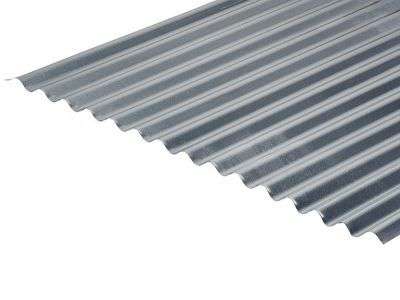
When it comes to metal roof sheets, we have various options like M-Clipp 430, M-Span 925, M-Clad 1015, and M-Seam 530/505.
For M-Clipp 430, the cover width is 762mm, rib height is 38mm, thickness is 0.42mm, steel grade is G550, and minimum roof pitch is 3 degrees.
M-Span 925 boasts a cover width of 925mm, rib height of 38mm, thickness of 0.48mm, steel grade of G300, and a minimum roof pitch requirement of just 1 degree.
With M-Clad 1015, we get a cover width of 1015mm, rib height of 25mm, thickness of 0.55mm, steel grade G300/G550, and a minimum roof pitch of only half a degree.
M-Seam 530/505 offers a cover width of either 530mm or 505mm, rib height of 25mm, thickness ranging from 0.55-0.80mm, steel grade G300/G550, and a minimum roof pitch as low as half a degree.
Each type has its unique features and applications. For example:

Metal roof sheets are renowned for their strength and long life expectancy, lasting significantly longer than traditional roofing materials. Their robust nature makes them ideal for various applications, including warehouses.
Metal roof sheets boast an array of design options, offering unparalleled design flexibility that suits diverse architectural styles. The appearance of these roofs can enhance the overall aesthetic appeal of any structure.
The lock-action rib design of metal roof sheets ensures a secure fit, providing exceptional water-tightness and preventing leaks. Smart fluted pans contribute to efficient water drainage, maintaining the roof’s longevity.
Concealed fastening systems not only elevate the visual appeal by creating a sleek finish but also enhance the roof’s wind uplift resistance. This feature is crucial in areas prone to strong winds or extreme weather conditions.
Our experience with metal roof sheets has shown us that they offer unmatched structural integrity, providing reliable protection against external elements. These roofs can withstand harsh weather conditions for years, ensuring peace of mind for property owners.
When installing metal roof sheets, we need to consider the roof pitch. The pitch determines the type of metal sheets suitable for the installation.
Understanding the end-lap requirements is crucial during installation. Proper end-lap ensures a watertight seal, enhancing the roof’s durability.
To maintain our metal roof sheets, regular inspections are vital. We should check for any signs of damage or corrosion to address them promptly.
Regular cleaning is essential for maintaining the longevity of our metal roof sheets. Using mild detergent and water can help remove dirt and debris effectively.
During installation, we might face challenges such as improper fastening or alignment issues. Ensuring proper training and supervision can help overcome these challenges effectively.
Metal roof sheets offer versatility in applications, suitable for low-pitched roofs, vertical and horizontal ribbed walling, as well as roof and wall cladding. The adaptability of metal roof sheets makes them ideal for a wide range of projects.
Different types of metal roof sheets cater to the needs of various projects, whether industrial, commercial, or residential. Their durability and strength make them a popular choice for long-lasting solutions in different settings.
One of the key advantages of metal roof sheets is their design flexibility. They can complement diverse architectural styles, offering a modern appearance that enhances the overall aesthetics of a structure. The sleek finish and clean lines contribute to a contemporary look that suits both traditional and modern buildings.
Metal roof sheets are not only practical but also aesthetically pleasing. Their ability to blend functionality with style makes them a preferred choice for many construction projects.
When considering metal roof sheets, we must understand the significance of steel grades like G550 and G300. These grades determine the strength and durability of the metal sheets. G550 is a high-strength steel grade suitable for areas prone to extreme weather conditions, while G300 is more commonly used in general roofing applications.
The thickness of metal roof sheets plays a crucial role in their performance and longevity. Thicker sheets offer better durability and resistance to harsh weather conditions, ensuring long-term protection for your property. It is essential to evaluate the thickness based on your project requirements and budget constraints.
When selecting metal roof sheets, factors like cover width and rib height are important considerations. A wider cover width provides better coverage and reduces the number of sheets required for installation, ultimately saving costs. A higher rib height enhances structural integrity and water drainage efficiency.
To make an informed decision on choosing the right metal roof sheet material, consider factors such as steel grades, thicknesses, cover widths, and rib heights. Evaluate these aspects based on your specific project requirements to ensure optimal performance and longevity.
As we wrap up our exploration of metal roof sheets, we’ve uncovered a world of benefits and advantages that come with their installation. From durability and energy efficiency to versatility in applications, these roofing materials offer a range of solutions for various needs. Understanding the importance of proper installation and maintenance is key to maximizing the longevity and performance of your metal roof sheets. Moreover, selecting the right material tailored to your specific requirements ensures optimal results and satisfaction.
Let’s take this knowledge with us as we venture into the realm of roofing decisions. Remember, choosing metal roof sheets can be a game-changer for your property, offering not just protection but also style and sustainability. Make informed choices, prioritize quality installation, and enjoy the lasting benefits of a reliable roofing solution.
Metal roof sheets are durable roofing materials made from metal such as steel, aluminum, or copper. They are designed to provide long-lasting protection for buildings while offering a sleek and modern aesthetic.
Metal roof sheets offer numerous advantages, including exceptional durability, longevity, energy efficiency, and resistance to fire, rot, and pests. They also come in a variety of colors and styles to enhance the appearance of any structure.
Installation of metal roof sheets requires professional expertise to ensure proper fitting and sealing. Maintenance typically involves periodic inspections for damage or corrosion, cleaning debris off the surface, and addressing any issues promptly to extend the lifespan of the roof.
Metal roof sheets are versatile and can be used in various applications such as residential homes, commercial buildings, agricultural structures, and industrial facilities. Their flexibility in design and material options makes them suitable for almost any type of construction project.
When selecting a material for metal roof sheets, consider factors like climate conditions, budget, desired aesthetics, and required durability. Consult with roofing experts to determine the best option based on your specific needs and preferences.