
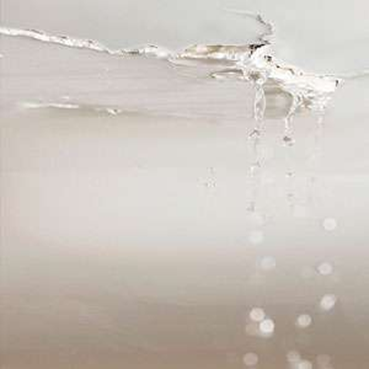
In Singapore’s tropical climate, ceiling leakages are more than just a nuisance—they’re a common and often costly problem for both homeowners and building managers. With frequent rainfall, high humidity, and aging building infrastructure, untreated ceiling leaks can quickly lead to structural damage, mold growth, and recurring repair bills.
At Le Fong Building Services, we specialize in diagnosing and resolving ceiling and roof leakage problems using professional waterproofing methods tailored to Singapore’s environment.
Common Causes of Ceiling Leakage in Singapore
Understanding the root cause of your ceiling leakage is essential for effective waterproofing. Here are some of the most common causes we’ve observed across residential and commercial buildings in Singapore:
1. Failed Roof Waterproofing
Flat rooftops and older pitched roofs are particularly vulnerable. Waterproofing membranes can deteriorate over time due to constant exposure to UV rays, ponding water, and thermal expansion, especially on HDB blocks and commercial terraces.
2. Plumbing Leaks
Water pipe leaks from upper floors are another leading cause of ceiling water stains, especially in bathrooms and kitchens. Poor plumbing installation or aged piping systems can result in concealed leaks.
3. Air-Conditioning Units and Condensation
Blocked or improperly installed air-conditioning drainage pipes can cause water to collect above ceilings. In high-humidity environments like Singapore, condensation can also form around ducts and contribute to leak-like symptoms.
4. Tile Grout or Sealant Failure
In multi-story buildings, cracked tile grout or deteriorated sealant in bathrooms can allow water to seep through and manifest as stains on the ceiling of the floor below.
5. Facade and External Wall Leakage
Rainwater can also seep in through external walls, especially in buildings that lack proper waterproof coatings or maintenance. This can affect ceilings near windows or perimeter walls.
How to Detect Ceiling Leakage Early
Timely detection is critical to avoid costly structural damage and repainting. Here’s how to spot early signs of leakage:
- Discoloration or Water Stains: Yellow, brown, or dark patches on the ceiling, particularly near air vents or light fixtures.
- Peeling Paint or Bubbling Plaster: These indicate trapped moisture behind the surface.
- Damp or Musty Odours: A persistent damp smell, even without visible stains, may point to hidden leakage.
- Cracks in Ceiling Corners: These may form when structural materials expand due to moisture ingress.
At Le Fong, we employ advanced non-invasive diagnostic tools such as thermal imaging, moisture meters, and pressure testing to accurately locate the source of the leak without damaging your ceiling unnecessarily.
Waterproofing Solutions We Offer
Le Fong provides comprehensive waterproofing services designed for Singapore’s climate and building standards. Depending on the diagnosis, we may recommend:
1. PU Grouting or Epoxy Injection
Ideal for sealing cracks in concrete ceilings, PU injection expands to fill voids and stop leaks permanently. Epoxy is used for structural bonding where reinforcement is needed.
2. Cementitious or Polyurethane Membrane Application
These flexible membranes can be applied to roofs, balconies, and wet areas to prevent future water ingress.
3. Tile Regrouting & Sealant Application
For bathrooms and wet rooms, regrouting or resealing the tile joints helps restore waterproof integrity and prevent seepage to floors below.
4. Exterior Wall and Roof Coatings
We offer advanced waterproof coatings for external walls and roofs, such as Jotaroof Heat Reflective Paint, which not only prevents water seepage but also reflects sunlight to reduce heat absorption.
Preventing Future Ceiling Leaks
Here are some maintenance tips for preventing ceiling leakage in the long run:
- Schedule Regular Roof Inspections: Especially after the rainy season or intense monsoon weather.
- Keep Drainage Clear: Ensure your roof drains, balcony scuppers, and external gutters are clear of leaves and debris.
- Inspect Bathroom and Kitchen Sealants: Reapply silicone sealants around sinks, bathtubs, and tiles every few years.
- Monitor Aircon Maintenance: Ensure condensate drain lines are unclogged and units are regularly serviced.
FAQs About Ceiling Leakage in Singapore
How much does ceiling leak repair cost in Singapore?
Costs can vary depending on the source and severity of the leak. A basic PU injection starts from around SGD $300–$800 per area. A full waterproofing system may cost more for larger roofs or terraces.
How do I know if my ceiling leak is from rain or plumbing?
If the leak appears only during or after rain, it’s likely due to a roof or wall waterproofing issue. If it occurs randomly or consistently, it could be due to a plumbing leak. Our diagnostic tools help pinpoint the exact cause.
Can I fix a ceiling leak myself?
Minor leaks or temporary fixes (like applying sealant) can be DIYed, but for long-term protection, professional assessment and waterproofing is strongly recommended.
How long does ceiling waterproofing last?
High-quality membrane systems can last 10–15 years with proper maintenance. PU injection repairs can last even longer if there is no further structural movement.
Does my home insurance cover ceiling leak repairs?
Some home insurance policies cover water damage from sudden pipe bursts or storms, but not gradual wear and tear. Check your policy or consult your agent for clarification.
Book a Site Inspection with Le Fong
Ceiling leaks are more than cosmetic—they’re a warning sign. At Le Fong Building Services, we provide fast, effective, and long-lasting waterproofing solutions for residential and commercial properties across Singapore.